A Swarm of Bees Has Arrived in Your Garden—What Should You Do?
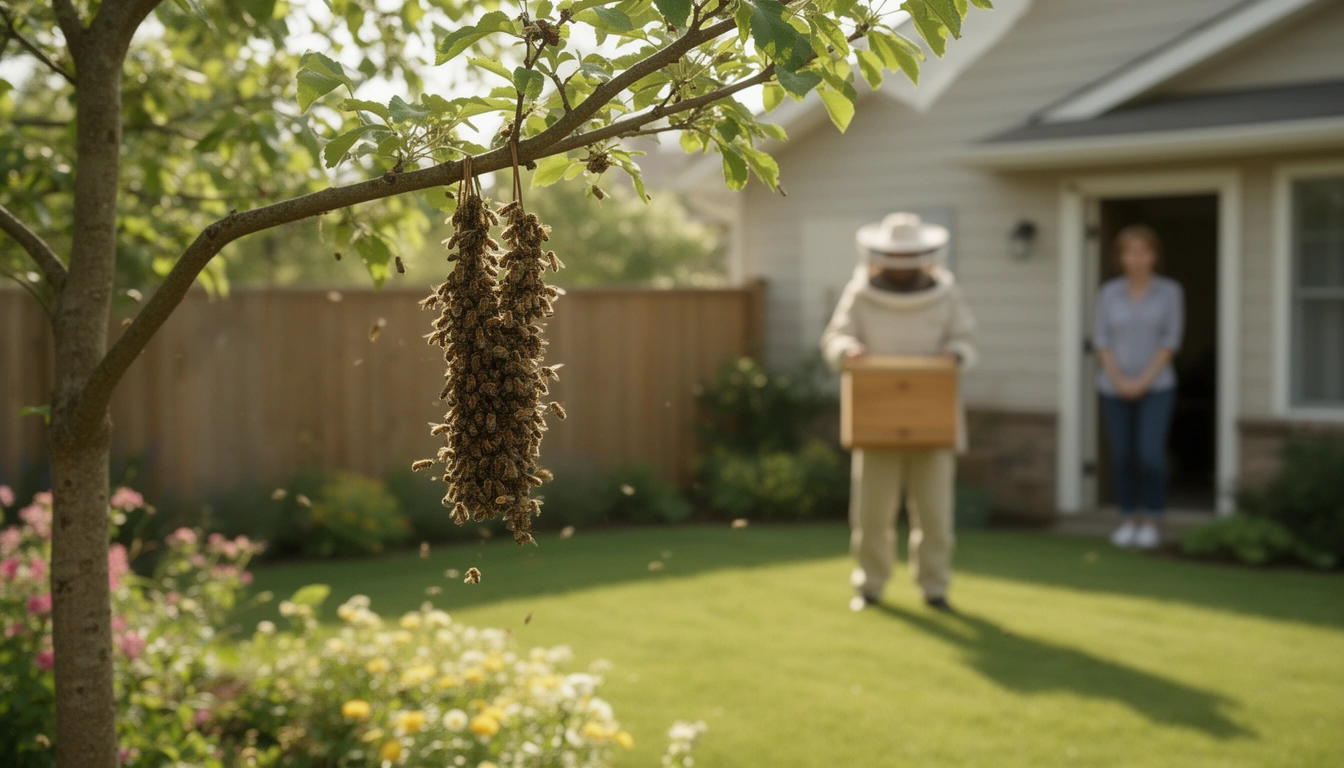
If a bee swarm lands in your garden, stay calm, keep people and pets away, and avoid disturbing them. This guide explains safety steps, when to call professionals, and humane removal options.
What to do first when a bee swarm appears in your garden
You’ve spotted a cluster of bees hanging on a branch, fence or garden furniture — a bee swarm. This is usually a temporary congregation of worker bees and a queen searching for a new home. Your first actions should be to stay calm, keep people and pets away, and avoid sudden movements. In the sections below you’ll find why swarms happen, how long they typically stay, safety steps you can take, when to call professionals, and options for removal or relocation that are humane and legal in many areas.
Recognize a swarm and why it matters
A swarm looks like a dense cluster of bees often hanging from a vertical surface. They are typically calm because they have little brood (young) and are focused on protecting the queen. Recognizing a swarm helps you choose the right response: do not assume they are aggressive or a permanent colony. Swarming is part of how honeybee colonies reproduce and relocate.
How long does a bee swarm stay?
Most swarms are temporary. They may remain in one spot from a few hours up to several days while scout bees search for a new nest site. Factors that influence this include local weather, availability of sheltered cavities, and the health of the swarm. Because the duration can vary by location and season, treat swarms as temporary but unpredictable — take sensible precautions right away.
Immediate safety steps to protect people and pets
- Keep children and pets indoors and away from the area where the swarm has landed.
- Avoid loud noises, lawn mowers, open flames or water jets near the swarm; sudden disturbances can agitate bees.
- If you must move past the swarm, do so calmly and at a steady pace; do not swat at bees or wave your arms.
- Warn neighbours and anyone working in adjacent gardens, especially if they are allergic to stings.
Should you try to remove a swarm yourself?
If you have beekeeping experience and the right protective gear, you may be able to relocate a swarm safely. However, for most people attempting DIY removal is risky. Incorrect handling can provoke defensive behaviour and lead to stings. If you want to learn the right techniques, consider formal training through local beekeeping courses before trying removals.
When to call professional bee removal services
Contact a licensed removal service when the swarm is on a building, near a public area, or if anyone nearby has severe allergies. Professional teams have experience in safely capturing and relocating swarms and can advise whether a live capture (relocation) or other solutions are appropriate. If you need specialist help, look for local experts in bee removals.
Live capture vs extermination: humane and practical options
Live capture and relocation is the preferred and often legally required option for honeybees in many places. Professionals will place a bait box or carefully swing the swarm into a hive box to move them to a managed apiary. Extermination should be a last resort and is generally discouraged because honeybees are vital pollinators. If you’re curious about the benefits of keeping bees and how honey is produced, see this overview of honey production.
How to work with removers or beekeepers
- Note the exact location and take a clear photo from a safe distance; this helps removers prepare.
- Tell them if the swarm is on a structure (roof, gutter, wall) or vegetation — this affects access and tools needed.
- Ask whether the team will relocate the bees to a local apiary and if they offer guarantees about follow-up.
- Make sure the crew follows local regulations and humane practices; reputable providers will explain options before acting.
Simple steps to discourage future swarms in your garden
While no measure guarantees bees won’t pass through, you can reduce the chance that a free-roaming swarm will settle on your property. Seal obvious cavities in sheds, walls and chimneys; regular outdoor maintenance reduces appealing sheltered nesting sites. If you’re interested in attracting and keeping bees responsibly, consider investing in legal beekeeping equipment and training — start by looking at beekeeping equipment and local courses.
When swarms are beneficial
Swarming is a natural sign of a healthy bee population. For a short time they pose little threat and are essential pollinators for gardens and crops. If they move on quickly, there is no action required beyond keeping a safe distance and letting nature take its course.
Troubleshooting and quick reference
| Situation | Recommended action | When to call a pro |
|---|---|---|
| Swarm on low branch, calm | Keep clear, monitor for 24–48 hours | If it stays beyond 48 hours or moves into a structure |
| Swarm on building eaves or inside wall | Do not block access; call a removal service | Immediately |
| Swarm near children or allergic person | Move people indoors and call professionals | Immediately |
Legal and environmental considerations
Local rules often protect honeybees or regulate how they may be moved. Always check municipal guidance before arranging removal. Professional services typically know local laws and will advise on permitted removal methods. If you want to learn more about bees and community outreach, organizations sometimes offer educational talks and resources to help neighbours understand bee behaviour.
FAQ — quick AEO-style answers to common questions
Q: Is a bee swarm dangerous?
A: Generally no — swarms are mostly docile because they lack brood and a settled nest. The risk increases if disturbed, if allergic people are present, or if the swarm settles in a structure.
Q: What to do if bees swarm in your garden?
A: Keep distance, keep children and pets away, avoid disturbing the bees, and contact a local removal service if the swarm is on a building or won’t move within a day or two.
Q: How long does a bee swarm stay safe?
A: There’s no exact time — many swarms leave within hours, most within a couple of days. Treat them as temporarily present and follow safety steps while monitoring.
Q: Can professionals always relocate swarms?
A: In many cases yes. Experienced removers can perform a live capture when conditions allow. If the bees are inside a wall or deeply embedded, relocation can be more complex and may require structural work.
Q: Should you call exterminators for a swarm?
A: Extermination is usually unnecessary and discouraged for honeybees due to their ecological value. Seek a humane removal first and only consider lethal options if advised and permitted by local authorities.
Conclusion
Finding a bee swarm in your garden can be unsettling, but it’s usually a temporary and manageable situation. Your best immediate actions are to keep a safe distance, protect people and pets, and avoid disturbing the bees. When in doubt — especially if they’re on a building, near vulnerable people, or persist for more than a day — contact professional bee removal services. If you’d like to turn an encounter into a learning opportunity, consider local beekeeping courses or resources to better understand how to live safely alongside these important pollinators.